
Ex Sun, current Mirror and Racing TV expert tells us why racing is getting safer and safer, why the Cheltenham Festival could do with being more competitive and how journalism has changed in the digital age.
Watch the full interview with Steve Jones below:
Steve Jones lives just outside Cheltenham. He’s a racing journalist steeped in the sport and steeped in this area. His grandfather, Davy Jones was a jockey who rode Red Rower to The Cheltenham Gold Cup in 1945. Many family members since have devoted their lives to the ‘sport of kings.’
Like in many walks of life, there’s a rose-tinted reverence for racing’s yesteryear. And a growing body of research and press reports about the number of people involved in racing who currently suffer from poor mental health can lead to a sense conditions are worsening.
But Jones, who’s covered the sport for more than two decades for The Sun and now The Mirror, as well as other outlets, says racing is undeniably getting safer for modern jockeys.
“Yeah, in my grandfather’s days it was just silk caps. In the very early days, pre-war they didn’t have any kind of helmet.
“And my father and my uncle were also jockeys in the 60s and 70s and they were very basic helmets not like they are today.
“And, interestingly, I was talking to a jockey and he said ‘we change the helmet at least four times a year’ and in the past they would only change it when they had a fall,” Jones told Sport and Life.
Good helmets is good news because according to several studies racing is one of the most dangerous sports in terms of the threat of concussion.
The impact of a fall can be worse for a jockey who might be in a state of dehydration due to trying to stay light. Although Jones says sports science is also helping jockeys balance their weight and wellbeing.
“It’s hugely more professional and it had to because it’s a dangerous sport. People die riding racehorses even now.
“The population has got bigger and heavier and taller. These guys (jockeys) are in a dangerous sport but they’re also depriving themselves of food and water, but the nutrition side has improved incredibly and that’s been a lot more helpful as well.”
Being naturally light is a huge positive in racing and Jones reckons that is partly why the sport has become a success story for female athletes, with women able to match men.
“A lot of female jockeys have been successful on the flat. The likes of Holly Doyle, Hayley Turner, Safi Osborne… it’s not unusual to have female jockeys because they don’t have, and this is a generalisation, as many weight issues.”
Jones says concerns over his weight put him off chasing the jockey dream, calling himself “too fat and lazy,” which seems harsh!
Regardless, he certainly worked hard in journalism – he was the lead tipster, aka ‘Templegate’, at The Sun for 10 years and now works across the media as a writer and on-screen pundit.
He’s flourishing in the age of digital domination, but says he’s grateful to have learned his trade in a busy newsroom in the twilight of the golden age of physical newspapers.
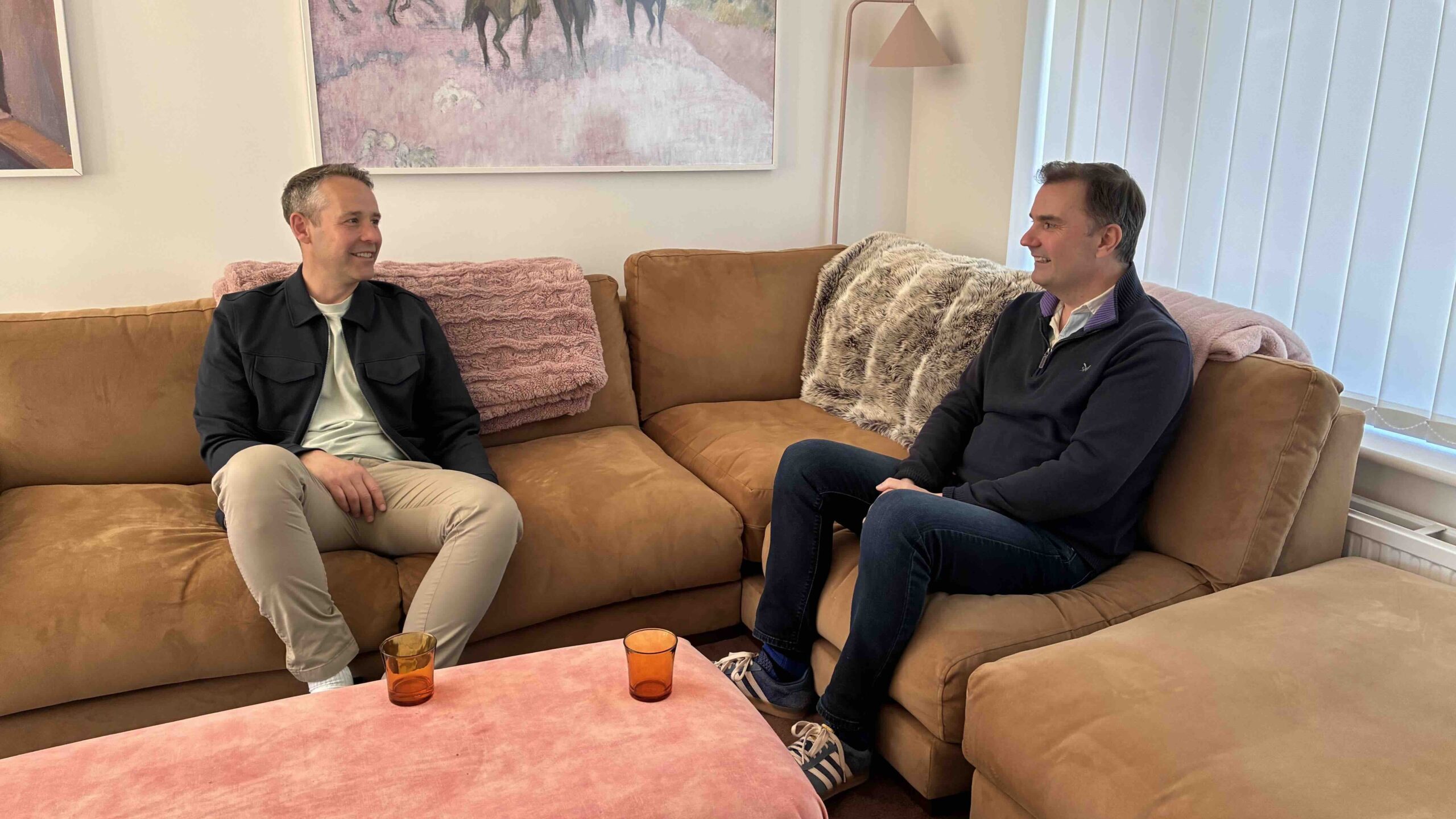
Although there was a big downside to millions of people making bets based on your tips – angry punters if the tips didn’t work out.
“They (The Sun) had this Scottish lad ring up every Friday and say ‘Templegate, he’s rubbish, you want to sack him, sack him.’
“Templegate is the nom de plume for their main tipster and that guy left (of his own accord).
“The Scottish guy rang up and one of the guys I worked with said ‘we finally listened to you, we sacked him.’
“There was a bit of a pause and he said ‘I didn’t want that to happen!’”
Jones is friends with former jockey-turned-broadcaster Luke Harvey who told Sport and Life recently that he rated his year’s Cheltenham Festival the best in decades. Jones though says it can still get better.
“It was good. It was enjoyable. I still think it can be more competitive if they make a few tweaks. But it’s the one thing with jump racing, the one thing with The Cheltenham Festival, it’s still hugely popular.”
Follow Steve Jones on X: @sjracingmedia