Amid debate over Joe Joyce’s future, Tris Dixon, author of the seminal book Damage, says there’s a type of defeat that should prompt retirement regardless of a fighter’s financial situation.
Listen to a SNIPPET of the chat with Tris Dixon below:
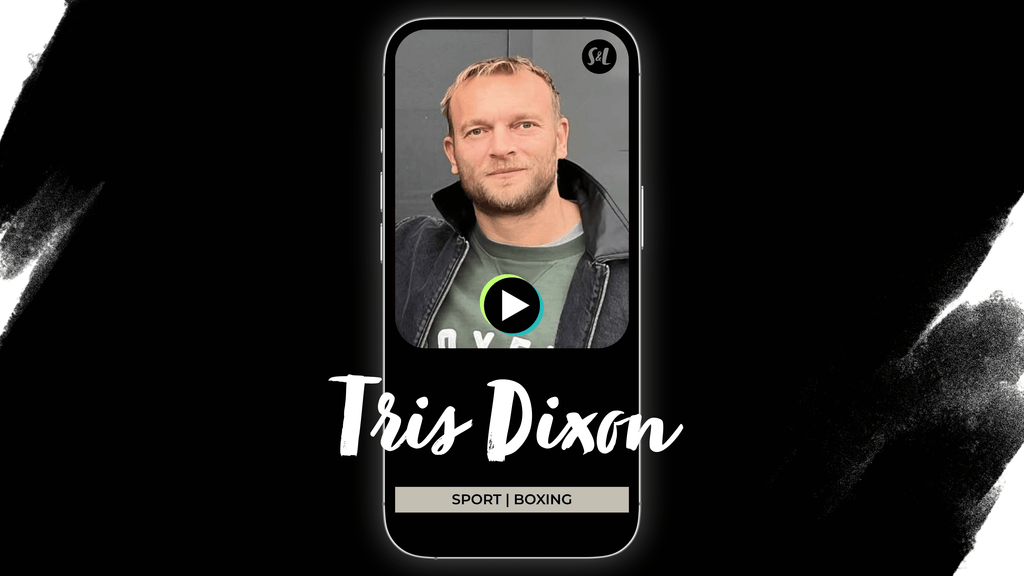
Listen to the FULL CHAT with Tris Dixon below:
CTE is nothing new
The world of boxing knew about chronic traumatic encephalopathy long before other contact sports.
It just called it something different: punch-drunk syndrome.
The brutal reality is the same. Brain damage caused by repeated blows to the head.
It’s borderline impossible for any fighter to leave the game with the grey matter in the same condition as when they set out.
But a big factor in long-term health is making the call to walk away before cognitive decline has set in – the slowing of the brain often making boxers less elusive and leads to suffering more punishment.
Highly respected journalist Tris Dixon, who has written extensively on CTE in boxing, says defeat shouldn’t necessarily spell the end, but there’s a certain style of loss that tells you it’s time to go.
…it’s borderline impossible for any fighter to leave the game with the grey matter in the same condition as when they set out.
“If you’re losing to someone you would have beaten before, that’s the moment it’s time to go,” Dixon told Sport and Life.
“It’s complicated because you might be hitting the same numbers in the gym, you might be hitting the same numbers on the track, but if you lose to a fighter you should have beaten in your prime that speaks of cognitive decline.
“I’ll hold the example out of Muhammad Ali losing to Trevor Berbick. If Ali’s losing to Berbick, he’s no longer the fighter he was and that speaks of a significant decline.”
Joe Joyce wants to fight on but can money be the deciding factor?
The eternal debate has bubbled up as a major talking point in the world of boxing after Olympic silver medallist and world title contender Joe Joyce spoke of his intention to continue.
“If you’re losing to someone you would have beaten before, that’s the moment it’s time to go…”
The 40 year-old’s comments came in the wake of a bizarre defeat to Artem Suslenkov. Joyce just seemed to stop competing.
‘The juggernaut’ says he can’t stop because he’s not financially secure. But Dixon doesn’t accept that as reason to go on receiving punches to the head.
“It’s pretty hollow because how much do you need to be financially secure?
“And tell me what your plan B is? What do you do when you retire?
“You’re not going to be world heavyweight champion anymore. That window’s closed. You’re not going to make championship money.”
Faded fighters are paid more than painter and decorators
Faded fighters don’t tend to get title shots or huge cheques. But the problem is even dilapidated high-profile boxers can make more in the ring than outside of it.
“I think Joe Joyce has other avenues in life, but I’ve spoken to many, many champions about this. They might get offered five thousands pounds to fight on a small hall show.
…the problem is even dilapidated high-profile boxers can make more in the ring than outside of it.
“And if they can make that they would do that instead of working two, three months as a labourer. How long is it going to take them working as a painter and decorator?”
If you’re going to box, don’t lead with your face
Both Tris and I wish Joe Joyce nothing but the best. Like all boxers he’s put himself on the line for our entertainment.
Joyce even more than most. Dixon believes the 6ft-6-inch Londoner sacrificed himself excessively to enthral others, adopting a fan-friendly style that risked his health.
“It was very unfortunate that that was part of his sales pitch.
“For instance he fought Bermane Stiverne and he was taking massive right hands off a former heavyweight champ.
“And people were saying ‘look at this guy, he’s the juggernaut, he just marches through it.’
“And I’m like ‘one day that’s going to really catch up to him.’ You can’t keep dining out on that stuff.”
Hit and not get hit. And then get out. The eternal instruction is the best advice for a fighter. Easier said than done.
To read Tris Dixon’s fine work: